Act: Where Feedback Finally Turns Into Business Outcomes

Introduction
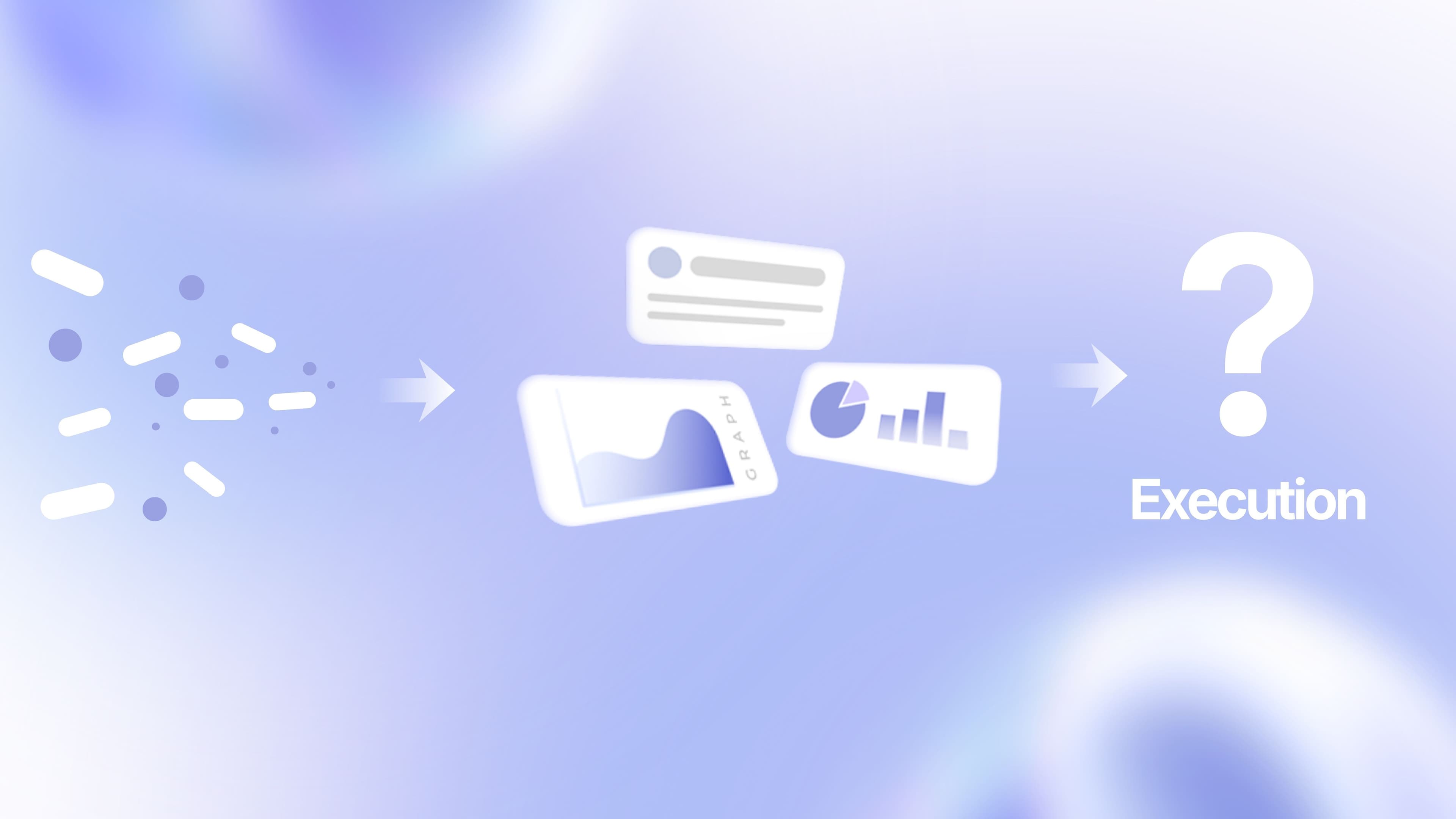
Most companies are good at listening to customers. Very few are good at acting on what they hear. The gap between insight and execution is where value is lost. Feedback gets analysed, reports get shared, decisions get discussed. And then… nothing happens. Not because teams don’t care, but because execution requires translation. Insights must become work.
Why Most Feedback Systems Stop Too Early
Most platforms are built to surface insights, not operationalise them. They stop after dashboards, summaries, trend reports, and sentiment charts. Those outputs are informative, but they don't create action. Execution requires something different: structured tasks, scoped requirements, assigned owners, and downstream system integration. Without that bridge, insights remain ideas.
The Missing Layer Between Insight and Execution
Turning feedback into shipped outcomes requires orchestration. A system must translate signals into work items, generate structured documentation, connect to execution tools, track progress, and link outputs back to signals. Historically, this translation step has been manual. Product managers read feedback, draft PRDs, write briefs, create tickets, and align teams. That’s slow, expensive, and inconsistent.
How Agentic Systems Enable Execution
Agentic platforms change execution by automating the translation layer. Instead of humans converting insights into work, agents generate feature briefs, problem statements, requirements, task breakdowns, and release plans. But automation alone isn’t enough. Execution must stay traceable. Every action should connect back to the signal that triggered it.
How Pulse Turns Intelligence Into Action
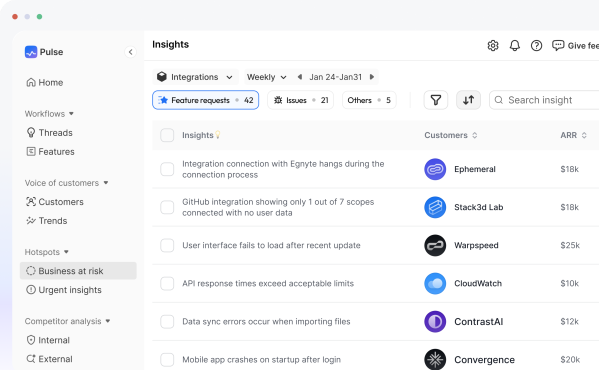
Pulse continues where most tools stop. Once priorities are determined, Pulse closes the loop from signal to impact.
- Generates structured artefacts — PRDs, briefs, and summaries using real customer signals.
- Builds roadmap plans — Monthly or quarterly roadmaps created from prioritised insights.
- Validates direction — Surveys collect customer input before shipping.
- Syncs execution tools — Items push directly into Jira, Linear, or other systems.
- Maintains traceability — Every shipped item stays linked to original feedback.

Why Execution Intelligence Matters
When action is structured: teams ship faster, work stays aligned to customers, outcomes become measurable, and ROI becomes visible. Companies no longer ask whether they’re building the right thing. They know.
Key Takeaways
- Insights without execution create no value.
- Translation from feedback to work is the bottleneck.
- Agentic systems automate that translation.
- Traceability ensures accountability.
- Execution intelligence drives measurable outcomes.
Closing Thought
Listening is easy. Acting correctly is hard. The companies that win aren't the ones who hear customers most. They're the ones who respond best.

Learn how leading teams turn feedback into actionLearn How Leading Teams Turn Feedback Into Action

AI Turns Customer Research From an Event Into a SystemAI Turns Customer Research From an Event Into a System
Customer research used to be something a team scheduled — a round of interviews, a quarterly survey, a sprint before a launch. Structurally, that was always a snapshot. AI changes the cadence, not just the speed: research becomes a standing picture rather than a periodic report. But a continuously updated picture can look comprehensive without being representative.Customer research used to be something a team scheduled — a round of interviews, a quarterly survey, a sprint before a launch. Structurally, that was always a snapshot. AI changes the cadence, not just the speed: research becomes a standing picture rather than a periodic report. But a continuously updated picture can look comprehensive without being representative.
16 Sep 202616 Sep 2026

AI Isn’t Replacing Product Managers. It’s Repricing Their Time.AI Isn’t Replacing Product Managers. It’s Repricing Their Time.
A lot of a PM’s week was never spent deciding anything — it was spent preparing to decide. AI collapses that preparation time, but the bottleneck didn’t disappear; it relocated. Producing product work is getting cheap faster than making a good product decision is, and judgement is becoming the entire differentiator.A lot of a PM’s week was never spent deciding anything — it was spent preparing to decide. AI collapses that preparation time, but the bottleneck didn’t disappear; it relocated. Producing product work is getting cheap faster than making a good product decision is, and judgement is becoming the entire differentiator.
1 Sep 20261 Sep 2026
Security & Compliance You Can Trust




Security & Compliance You Can Trust
See how Pulse works with your data
Book a Demo