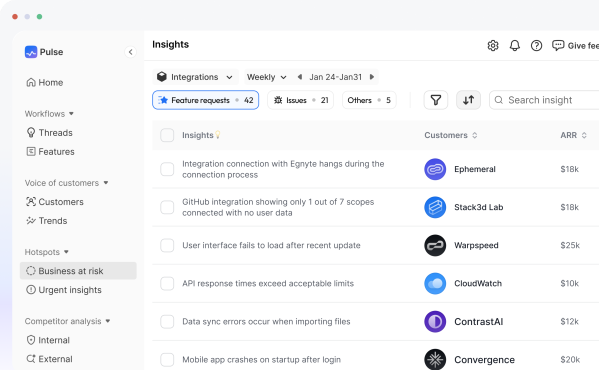
The Shift From Feedback Systems to Operational Systems
Introduction
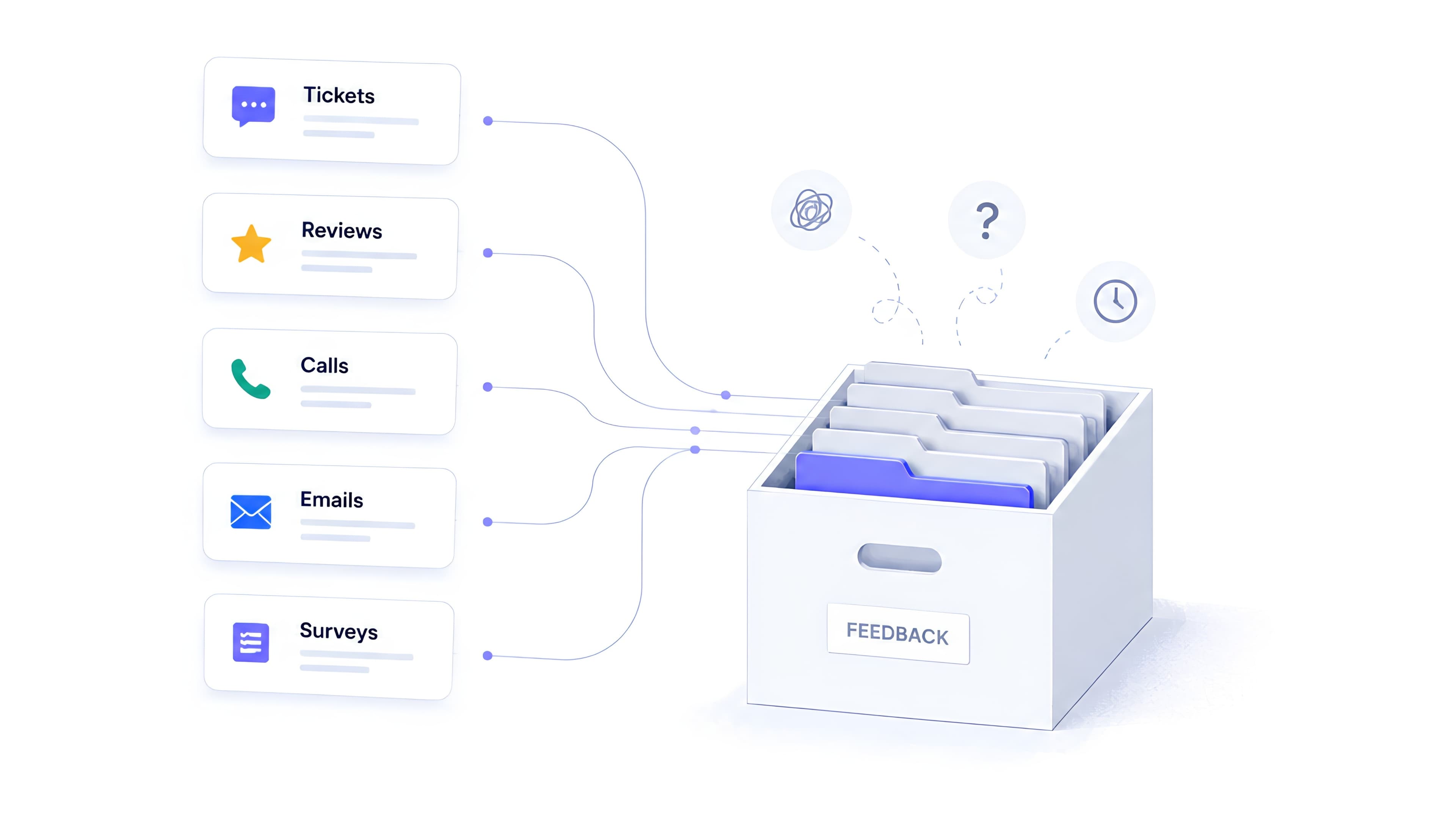
Most enterprise feedback systems today still operate like reporting layers. They collect tickets, surveys, calls, complaints, and reviews, then organise them into dashboards for teams to review later.
That model made sense when customer operations moved slower. It doesn’t anymore.
Modern businesses operate in real time. Operational failures spread faster, customer expectations rise faster, churn signals emerge earlier, and public sentiment escalates instantly. The gap between “signal detected” and “action taken” is now becoming a major operational disadvantage.
Feedback Is No Longer Just Information
Historically, feedback existed to help teams understand customers better. PMs used it for roadmap decisions, CX teams used it for reporting, and leadership used it for trend analysis.
But operational AI changes the role of feedback entirely. Feedback increasingly becomes:
- escalation input
- prioritisation input
- workflow input
- operational input
That’s a fundamental shift. Because once systems can reason across signals continuously, feedback stops being static information. It becomes a live operational signal.
Operational Systems Respond Differently
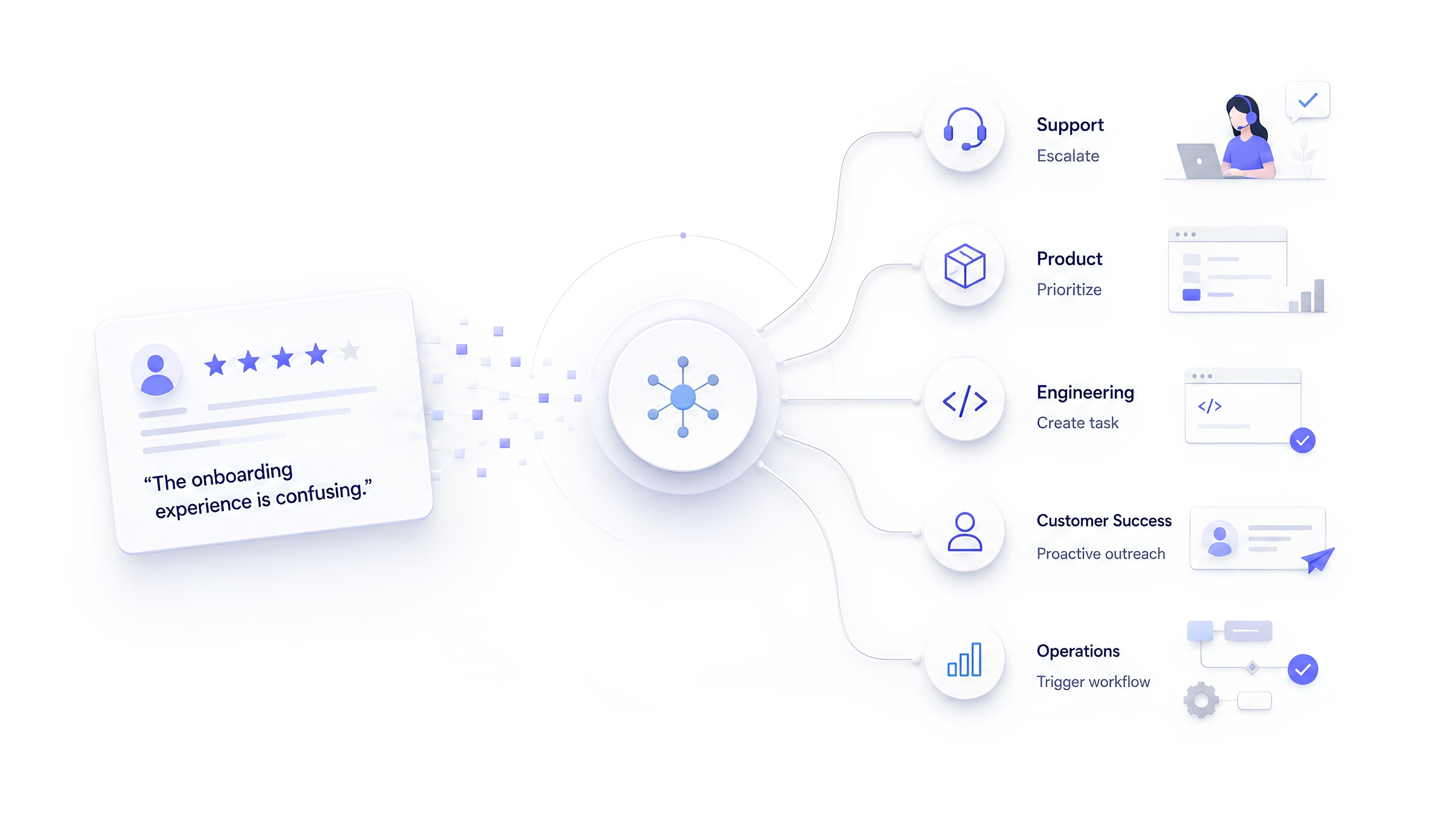
Traditional systems wait for humans to interpret patterns. Operational systems increasingly:
- identify urgency automatically
- correlate issues across workflows
- route actions dynamically
- trigger interventions proactively
That dramatically changes enterprise responsiveness.
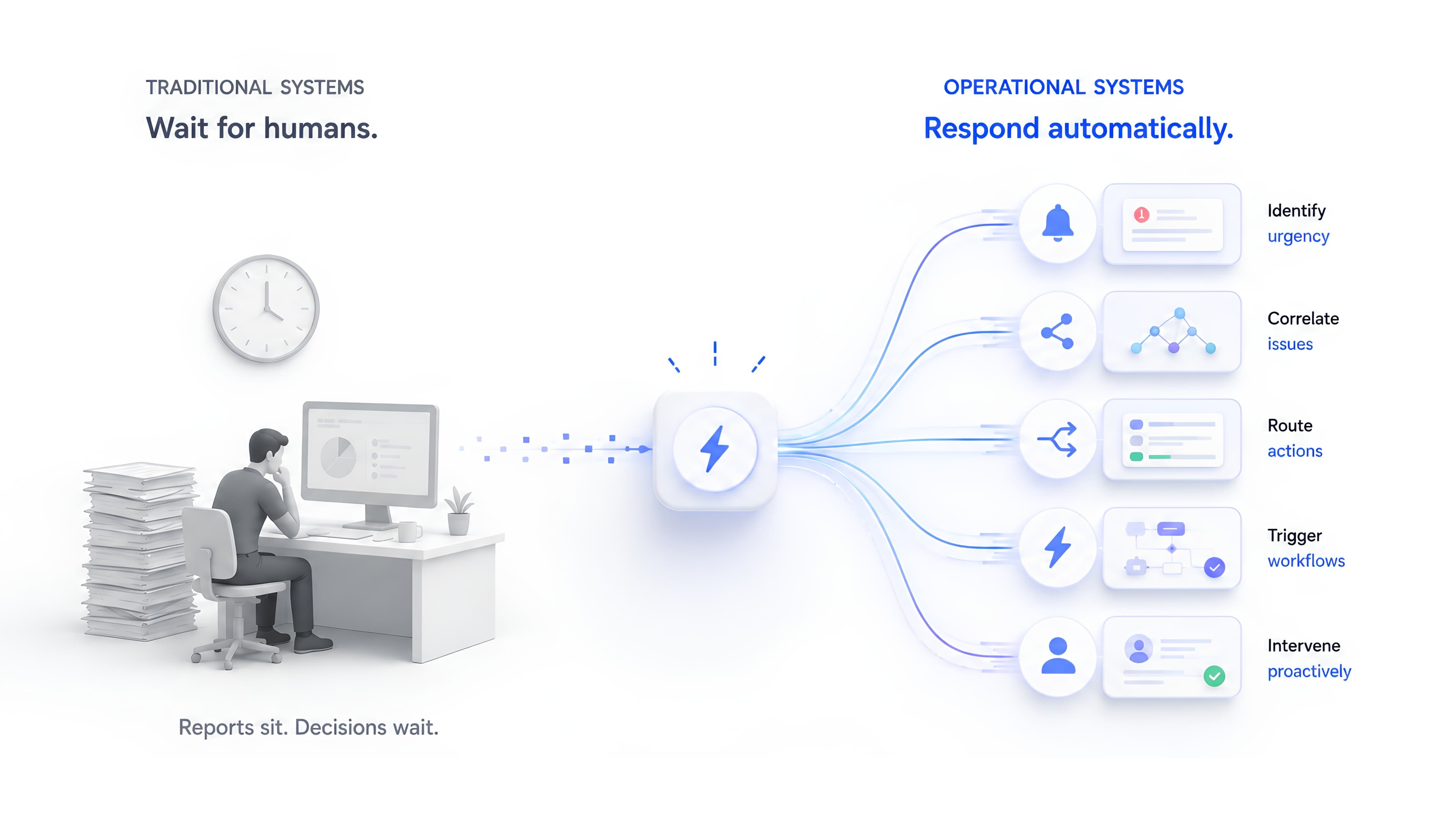
Imagine: ● repeated delivery complaints automatically escalating logistics review ● churn-risk conversations prioritising retention workflows ● recurring onboarding friction triggering operational intervention
Not because someone manually analysed a dashboard. Because the system itself recognised operational risk.
The Enterprise Stack Is Quietly Evolving
This is why the enterprise stack is shifting from: ● systems of record → to systems of execution
The value is no longer just storing information. The value is operational responsiveness. How quickly can the organisation:
- detect
- reason
- prioritise
- intervene
using continuously evolving customer signals? That becomes the competitive advantage.
Closing Thought
"The future of enterprise software won’t simply organise workflows. It will increasingly coordinate operational behaviour in real time. And customer feedback will become one of the most important live inputs powering those systems."

Learn how leading teams turn feedback into actionLearn How Leading Teams Turn Feedback Into Action
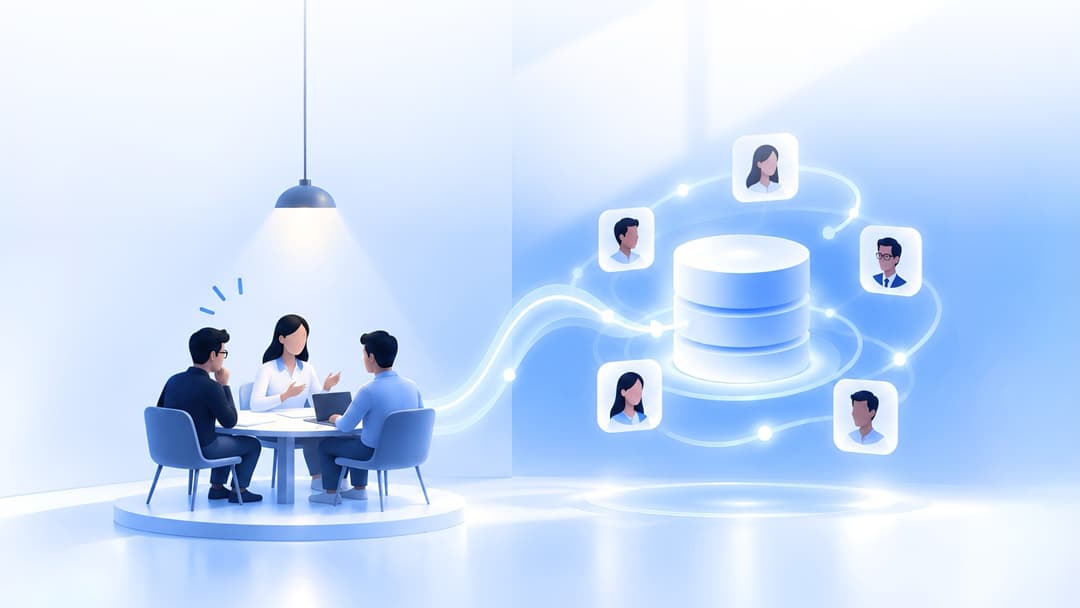
AI Turns Customer Research From an Event Into a SystemAI Turns Customer Research From an Event Into a System
Customer research used to be something a team scheduled — a round of interviews, a quarterly survey, a sprint before a launch. Structurally, that was always a snapshot. AI changes the cadence, not just the speed: research becomes a standing picture rather than a periodic report. But a continuously updated picture can look comprehensive without being representative.Customer research used to be something a team scheduled — a round of interviews, a quarterly survey, a sprint before a launch. Structurally, that was always a snapshot. AI changes the cadence, not just the speed: research becomes a standing picture rather than a periodic report. But a continuously updated picture can look comprehensive without being representative.
16 Sep 202616 Sep 2026

AI Isn’t Replacing Product Managers. It’s Repricing Their Time.AI Isn’t Replacing Product Managers. It’s Repricing Their Time.
A lot of a PM’s week was never spent deciding anything — it was spent preparing to decide. AI collapses that preparation time, but the bottleneck didn’t disappear; it relocated. Producing product work is getting cheap faster than making a good product decision is, and judgement is becoming the entire differentiator.A lot of a PM’s week was never spent deciding anything — it was spent preparing to decide. AI collapses that preparation time, but the bottleneck didn’t disappear; it relocated. Producing product work is getting cheap faster than making a good product decision is, and judgement is becoming the entire differentiator.
1 Sep 20261 Sep 2026
Security & Compliance You Can Trust



Security & Compliance You Can Trust
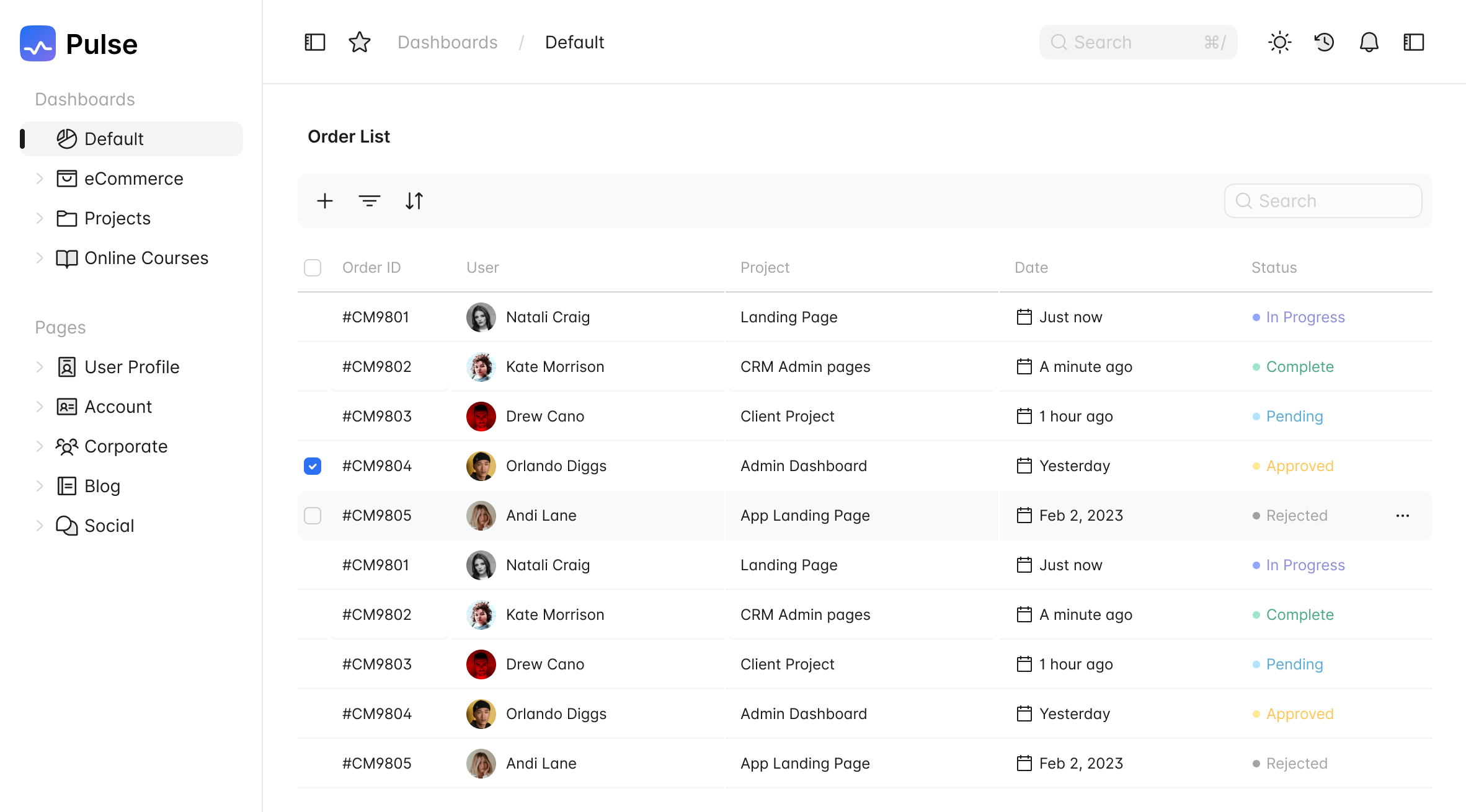
See how Pulse works with your data
Book a Demo