
Agentic Feedback Loops: The Hidden Foundation of Autonomous AI
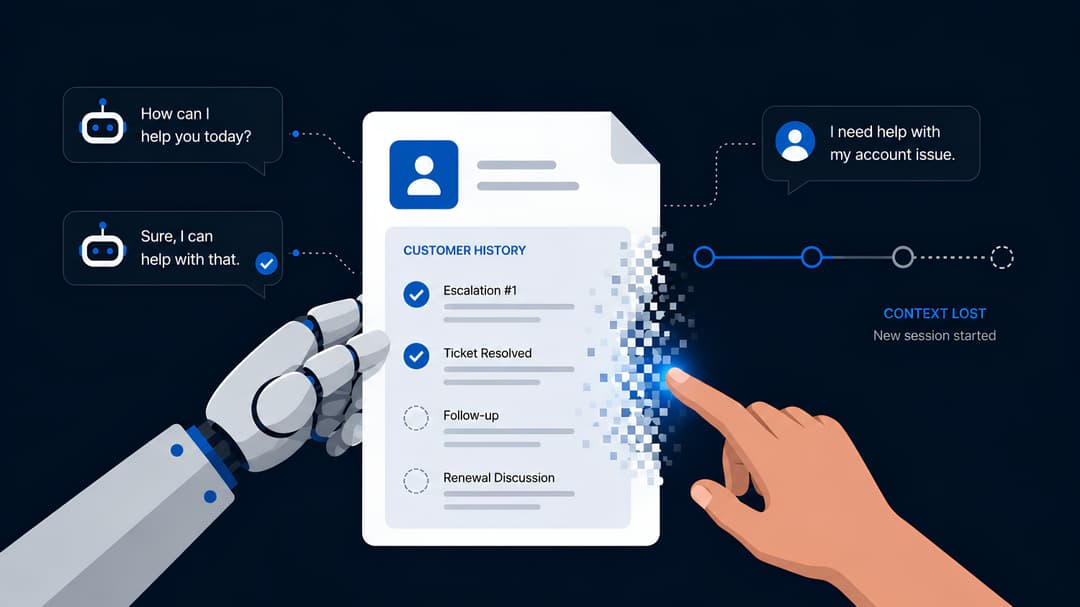
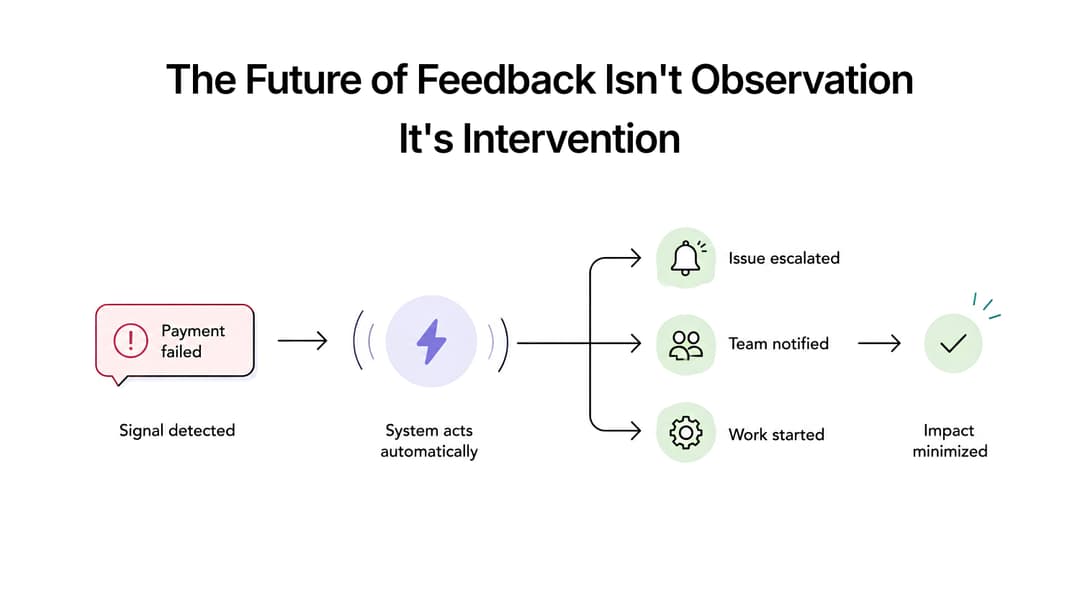
Autonomy introduced prematurely becomes the fastest route to eroded trust. Learn why feedback loops must be sharper than your models, and how to build them before activating autonomy.
Guides, frameworks, and real-world examples to help you move from raw feedback to confident strategy.

Autonomy introduced prematurely becomes the fastest route to eroded trust. Learn why feedback loops must be sharper than your models, and how to build them before activating autonomy.

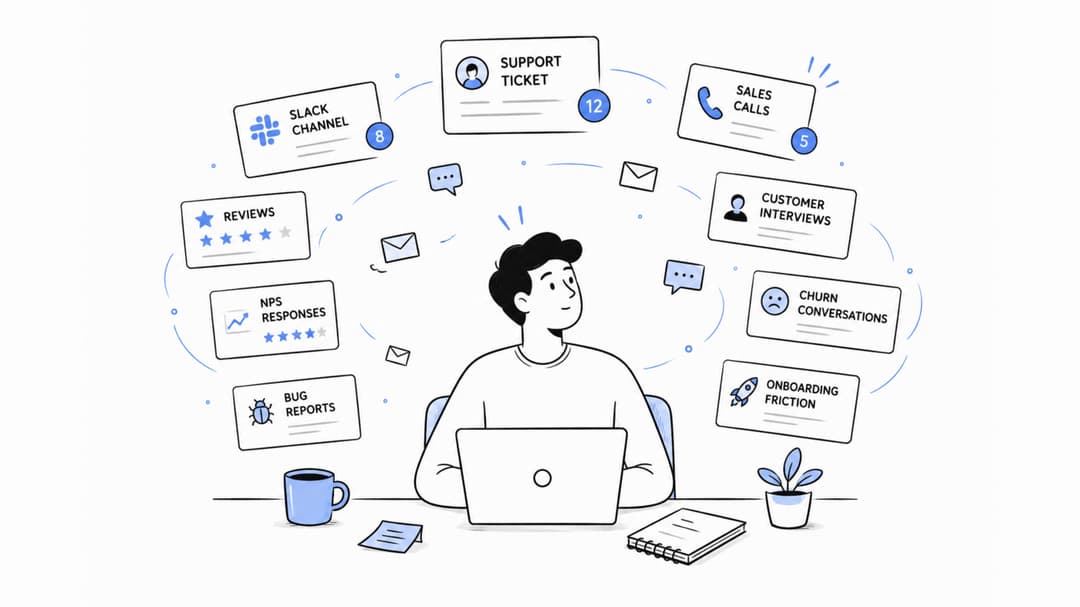
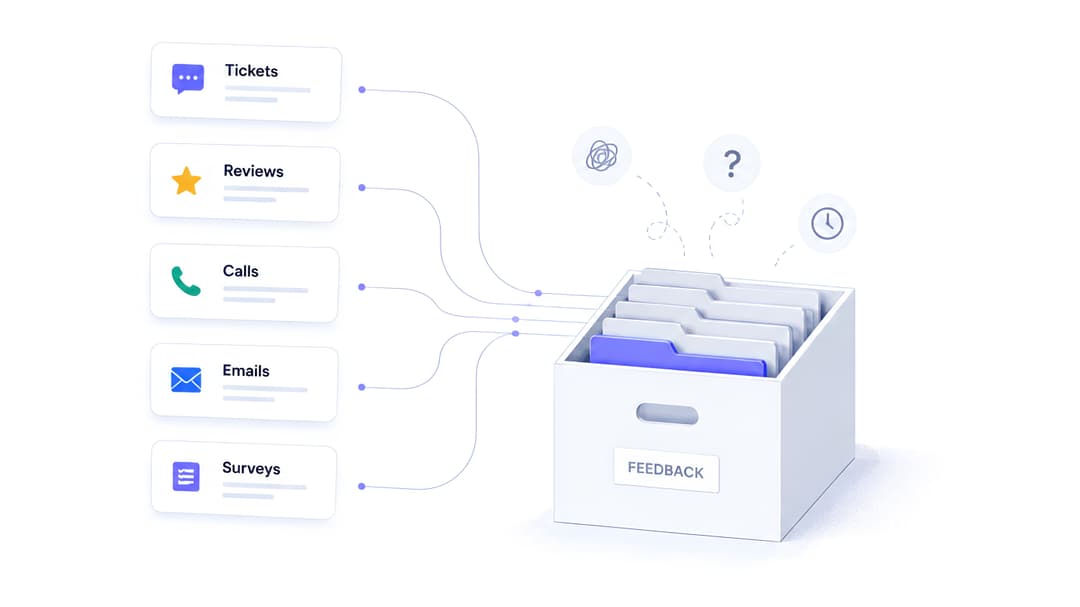
After every release, teams scramble to answer what customers actually experienced. But the first problem isn't analysis — it's ingestion. Feedback doesn't arrive cleanly. It arrives in fragments across support systems, CRM, call recordings, chat logs, community forums, feature requests, surveys, and internal Slack threads.

Every week, someone asks: couldn't we just build feedback intelligence internally using an LLM? The short answer: Pulse is not an LLM wrapper. The gap between a demo and a production system is where most internal builds fail.

When identical requests appear in Zendesk, Slack, Salesforce, and other tools simultaneously, teams face distorted demand signals and wasted resources. A feature request appearing four times across different channels might represent just one unique customer need, yet be treated as four separate requests.

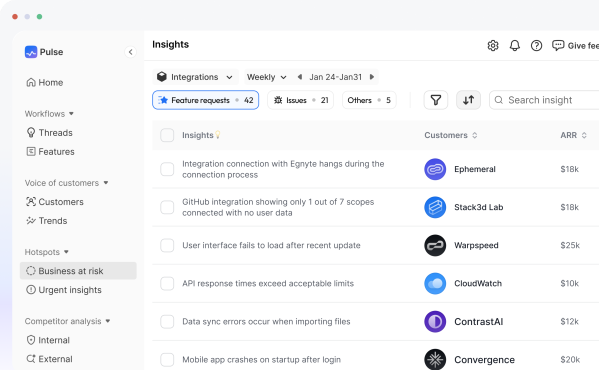
Customer feedback scattered across multiple platforms—Zendesk, Salesforce, call recordings, app stores, forums, and spreadsheets—becomes noise rather than insight. This fragmentation leads to missed opportunities and slower customer experience improvements. Learn how unified feedback enables organizations to move from reactive analysis to strategic action.

Teams on Pulse move faster, stay aligned, and make confident decisions backed by real customer insights, not opinions


Spotlight Pulse’s impact, innovation, and momentum across the globe