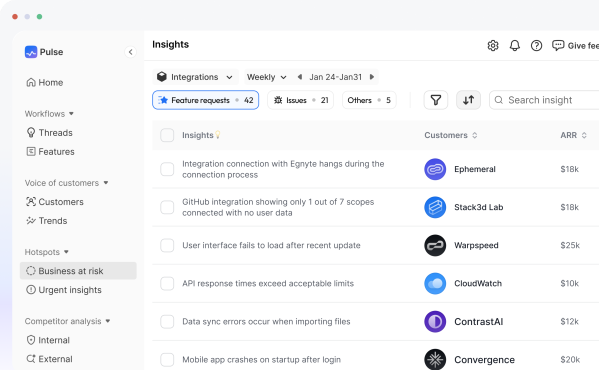
Feedback Systems Are About to Become Autonomous
Introduction
For years, enterprise feedback systems have operated the same way. Collect customer signals. Store them somewhere. Review them later. Hope someone acts on them in time.
That model worked when feedback volumes were manageable and operational complexity was lower. It doesn’t work anymore.
Modern enterprises generate customer signals continuously:
● support interactions
● operational failures
● app behaviour
● delivery delays
● renewal conversations
● voice transcripts
● social escalations
● product friction
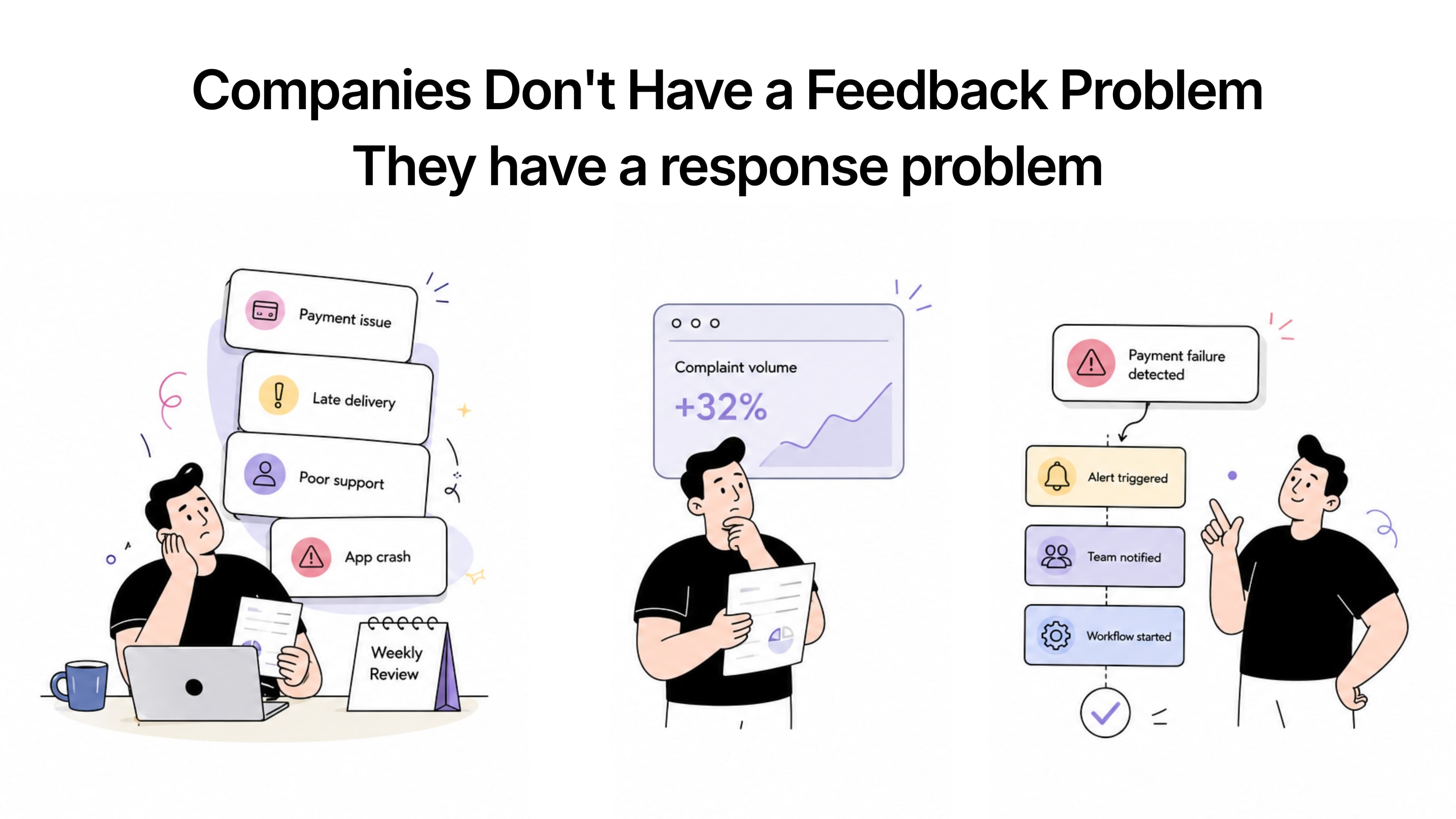
The issue isn’t whether companies have enough feedback.
The issue is that the time between “signal detected” and “action taken” is still heavily dependent on humans.
And humans are increasingly becoming the bottleneck.
Dashboards Were Built for Observation
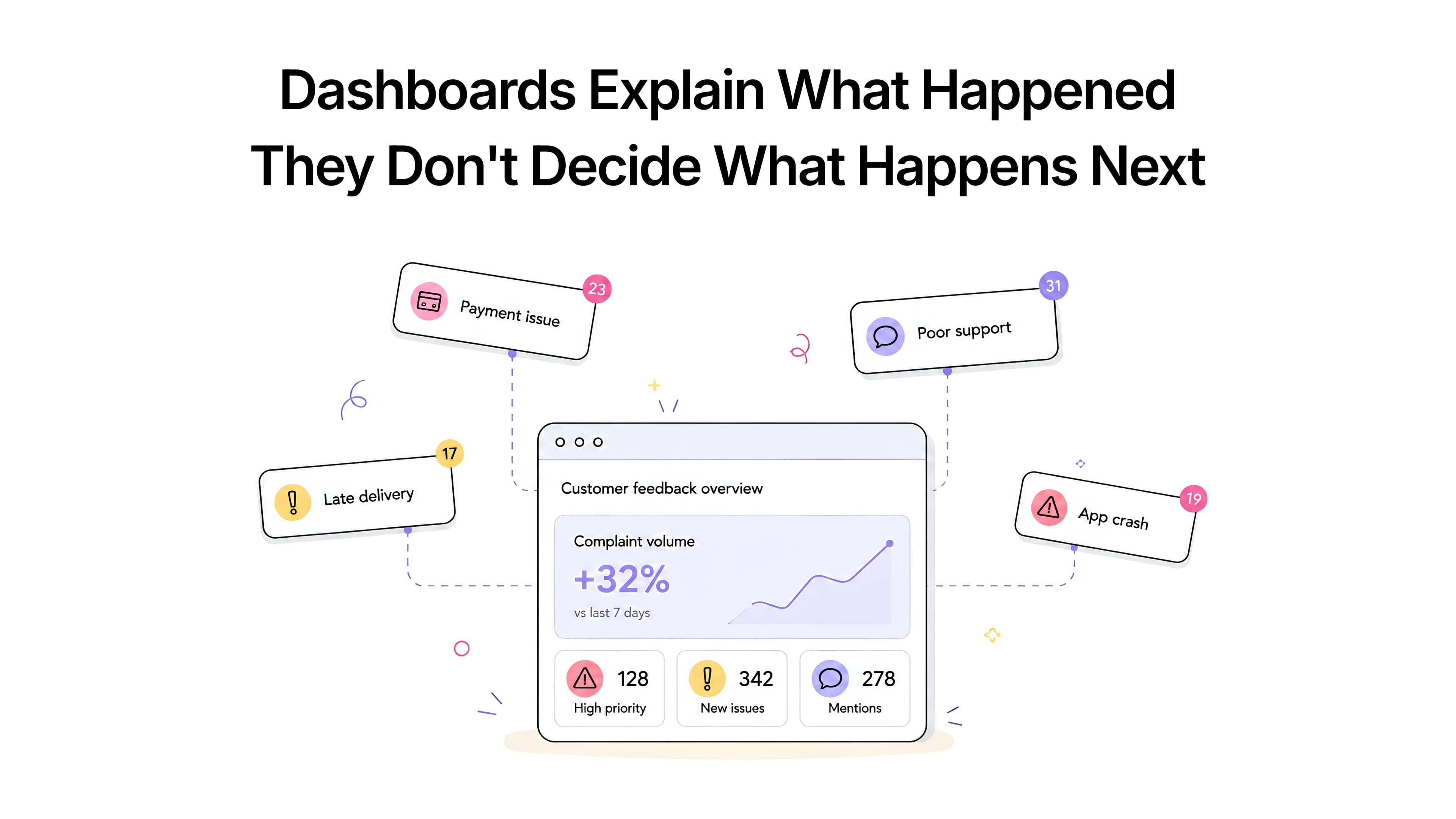
Most enterprise systems today are fundamentally observational. Dashboards explain:
- what happened
- how often it happened
- where it happened
But operational systems need something different. They need:
- prioritisation
- escalation
- intervention
- workflow execution
That’s a very different category of software.
A dashboard tells you: “Complaint volume increased 32%.”
An operational intelligence system asks: “Should this trigger action before enterprise renewals are affected?”
That distinction matters.
Because enterprises don’t lose revenue from lack of reporting. They lose revenue from delayed response.
The Shift From Passive Intelligence to Active Systems
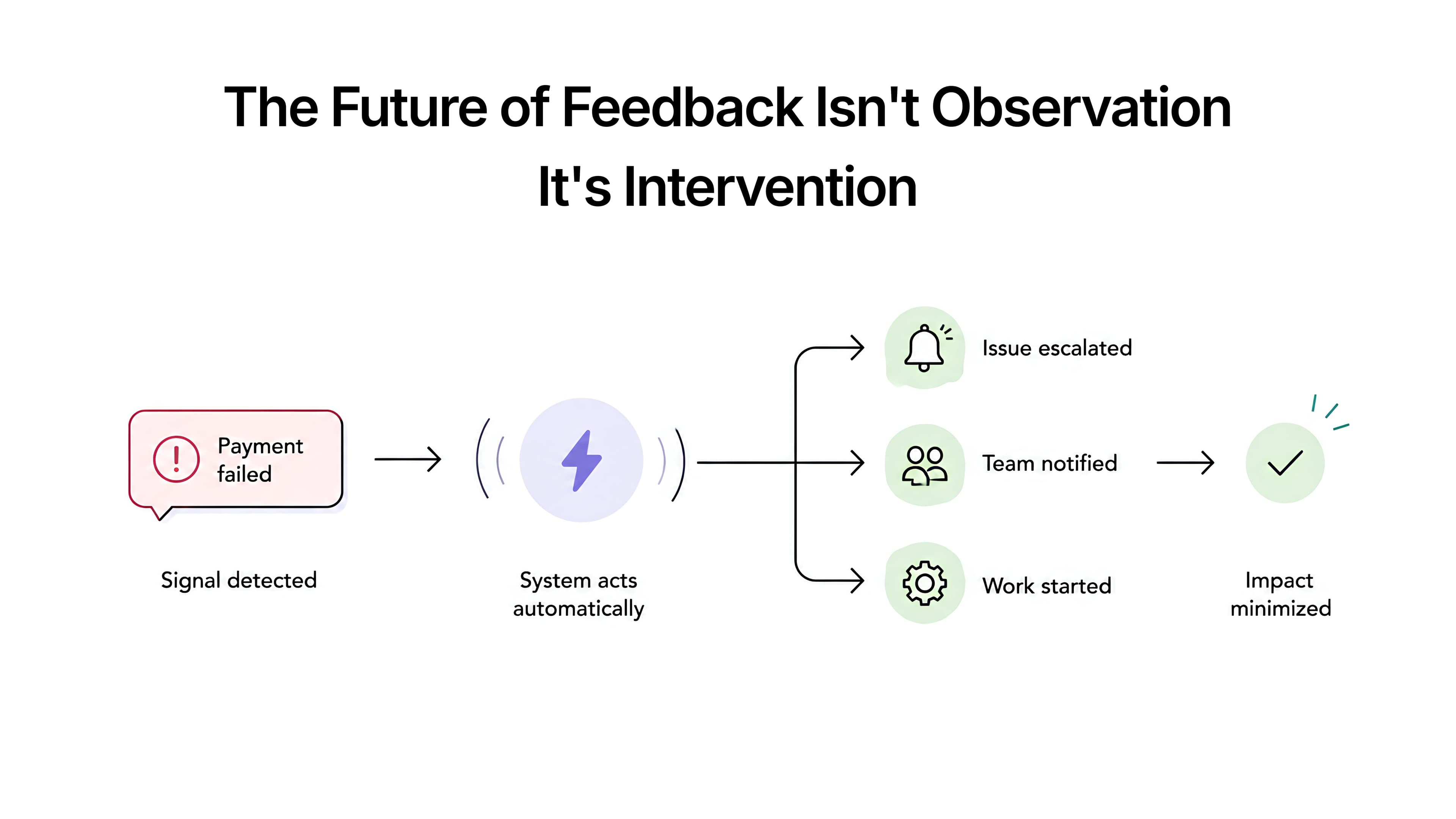
This is where agentic infrastructure changes the equation. For the first time, systems can:
- observe signals continuously
- reason across fragmented workflows
- understand operational context
- trigger downstream action automatically
Not because a human manually reviewed a report. Because the system itself identified risk.
That changes the role of feedback entirely.
Feedback stops being historical information. It becomes a live operational signal.
Why This Matters More Than AI Summaries
A lot of enterprise AI today still focuses on summarisation:
- summarise tickets
- summarise calls
- summarise meetings
That’s useful. But summarisation alone doesn’t reduce operational latency.
The real enterprise problem is: systems react too slowly to reality.
That’s why the next generation of enterprise software won’t be defined by: “Which model is smarter?”
It will be defined by: “Which systems respond faster and more intelligently?”
Feedback Systems Are Quietly Becoming Operational Infrastructure
Over time, we believe feedback systems will evolve from:
- reporting layers to operational layers
- passive dashboards to active systems
- insight generation to workflow intervention
- And eventually: customer operations themselves become increasingly software-defined
That transition has already started. Most companies just haven’t realised it yet.
Closing Thought
"The future enterprise stack won’t simply analyse customer behaviour. It will continuously react to it. That’s the real shift operational AI introduces. Not smarter reporting. Smarter systems."

Learn how leading teams turn feedback into actionLearn How Leading Teams Turn Feedback Into Action
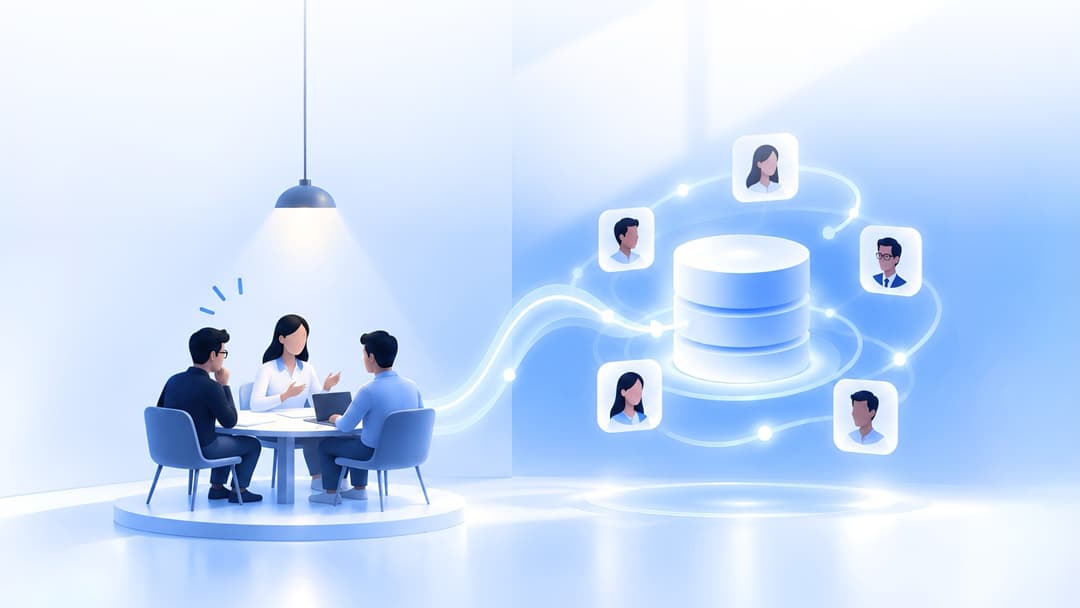
AI Turns Customer Research From an Event Into a SystemAI Turns Customer Research From an Event Into a System
Customer research used to be something a team scheduled — a round of interviews, a quarterly survey, a sprint before a launch. Structurally, that was always a snapshot. AI changes the cadence, not just the speed: research becomes a standing picture rather than a periodic report. But a continuously updated picture can look comprehensive without being representative.Customer research used to be something a team scheduled — a round of interviews, a quarterly survey, a sprint before a launch. Structurally, that was always a snapshot. AI changes the cadence, not just the speed: research becomes a standing picture rather than a periodic report. But a continuously updated picture can look comprehensive without being representative.
16 Sep 202616 Sep 2026
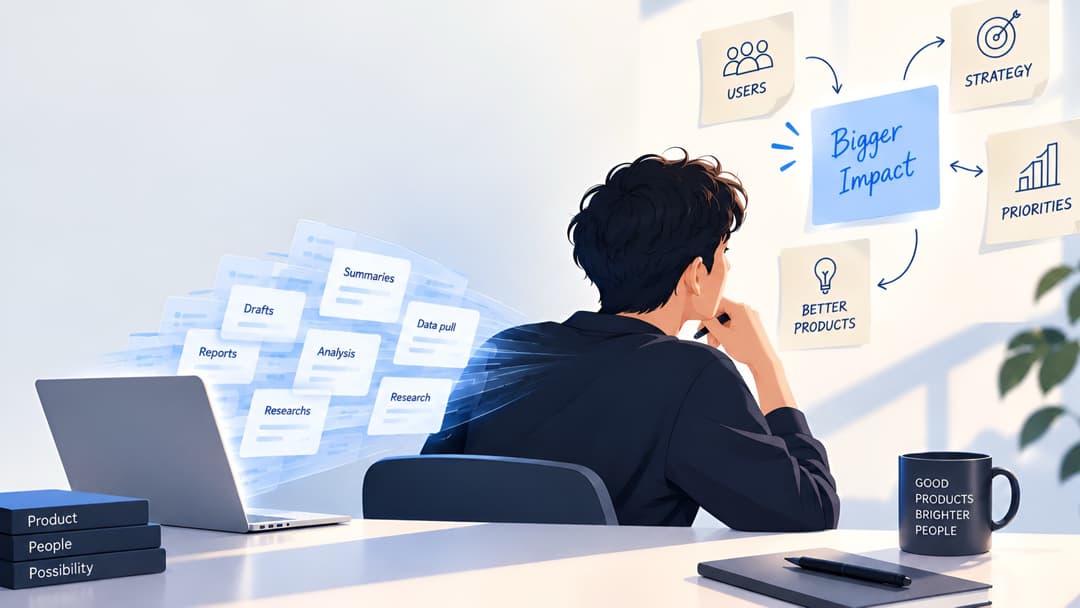
AI Isn’t Replacing Product Managers. It’s Repricing Their Time.AI Isn’t Replacing Product Managers. It’s Repricing Their Time.
A lot of a PM’s week was never spent deciding anything — it was spent preparing to decide. AI collapses that preparation time, but the bottleneck didn’t disappear; it relocated. Producing product work is getting cheap faster than making a good product decision is, and judgement is becoming the entire differentiator.A lot of a PM’s week was never spent deciding anything — it was spent preparing to decide. AI collapses that preparation time, but the bottleneck didn’t disappear; it relocated. Producing product work is getting cheap faster than making a good product decision is, and judgement is becoming the entire differentiator.
1 Sep 20261 Sep 2026
Security & Compliance You Can Trust




Security & Compliance You Can Trust
See how Pulse works with your data
Book a Demo