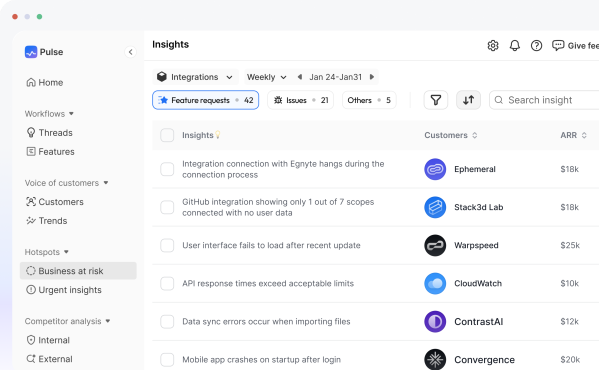
Ingest: How Modern Product Teams Turn Customer Chaos into Structured Intelligence
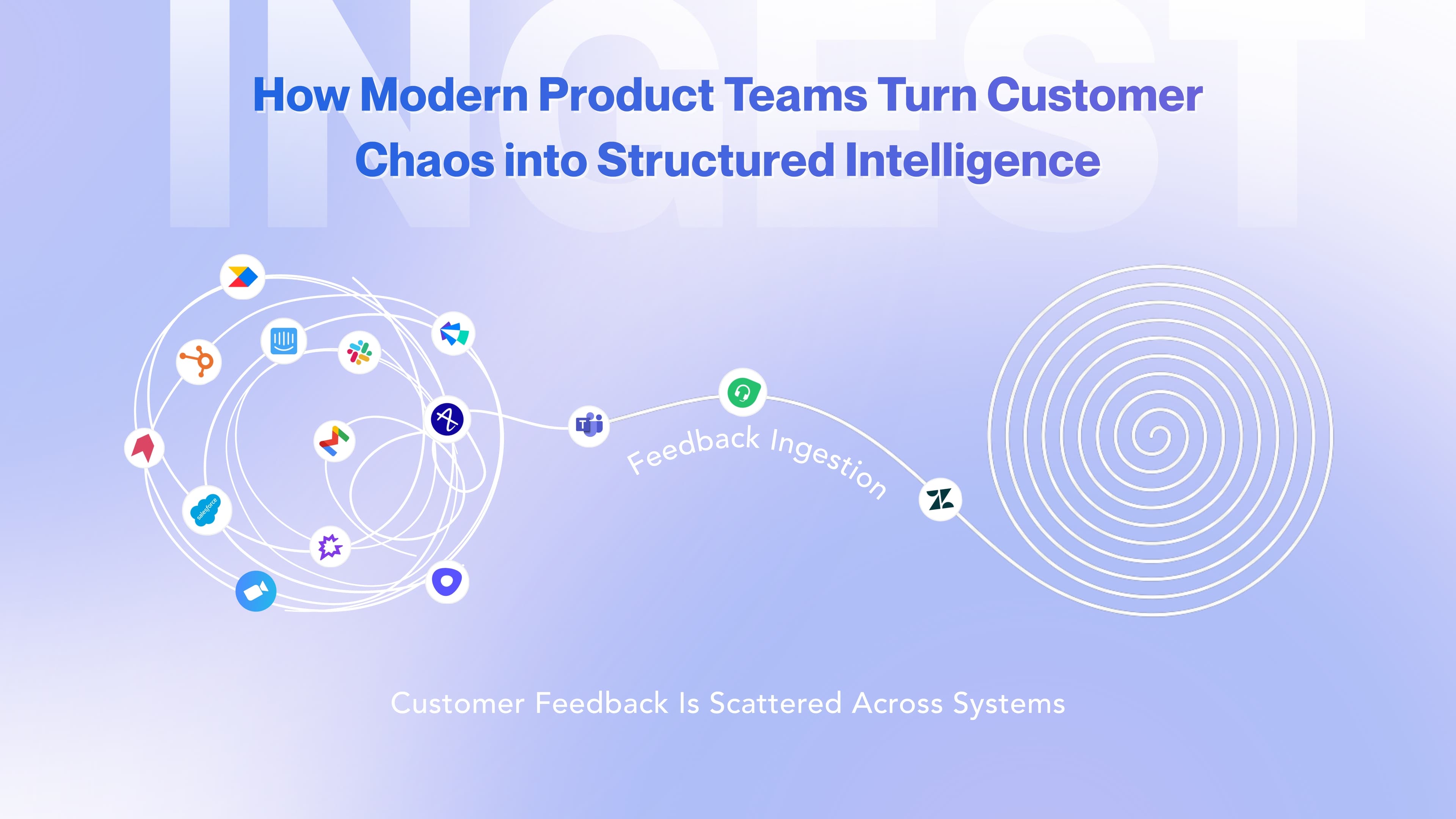
Introduction
After every release, teams scramble to answer a fundamental question: What did customers actually experience?
But the first problem isn't analysis. It's ingestion.
Feedback doesn't arrive cleanly. It arrives in fragments across support systems, CRM, call recordings, chat logs, community forums, feature requests, surveys, and internal Slack threads. And that's before you even consider variations in language, context, or customer value.
For most companies, this fragmentation leads to guesswork:
"We think onboarding is slow in EMEA."
"Some customers mentioned bugs… somewhere."
"I saw a message about this in Slack, but I'm not sure who it's tied to."
What should be a signal becomes noise.
That's why ingestion isn't just a technical step — it's the foundation of intelligence.
In this piece, we'll explore why traditional ingestion falls short, how emerging AI agents change the game, and how Pulse operationalises ingestion as an intelligence layer — not a data dump.
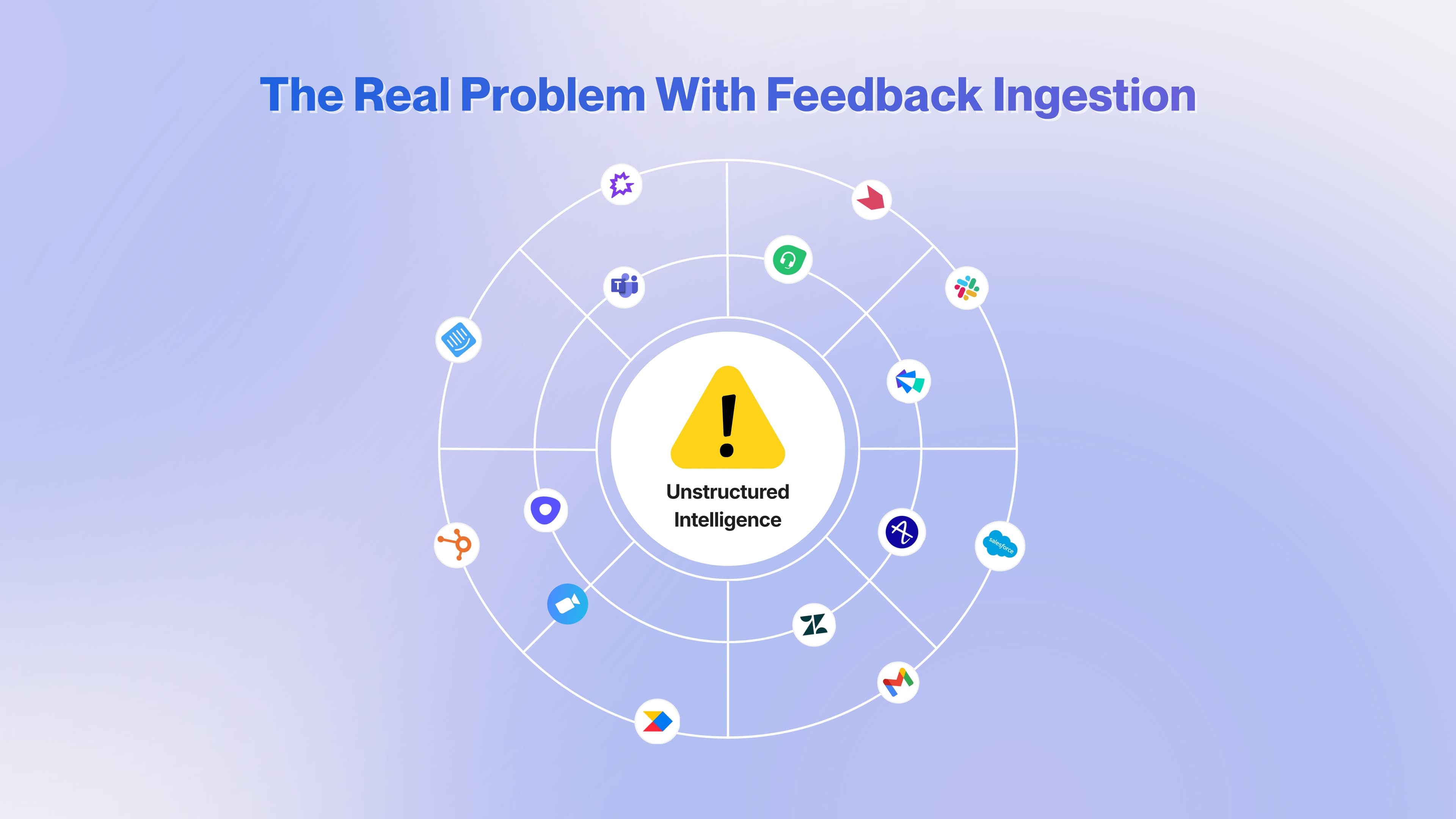
The Real Problem With Feedback Ingestion Today
Most SaaS teams rely on basic ETL or data pipelines to centralise customer feedback.
They pull from:
- Support platforms (Zendesk, Freshdesk)
- Ticketing tools (Jira)
- CRM (Salesforce, HubSpot)
- Call transcripts (Gong, Chorus)
- NPS platforms
- Internal comms (Slack, Teams)
- Research documents or spreadsheets
But here's the catch:
Collecting feedback is not the same as structuring it.
Traditional ingestion:
- Brings raw text together
- Misses the contextual connection between signals
- Doesn't link feedback to product releases or revenue
- Does nothing with intent or sentiment
The result?
Teams still rely on:
- Manual aggregation
- Guesswork during reviews
- Gut-feel prioritisation
- Backlog debates that never end
Why Agentic Ingestion Beats ETL Pipelines
Emerging AI models — especially agentic systems — don't just pull data. They understand workflows, language, and business context.
With traditional LLM integration alone, you might summarise text or extract keywords.
But meaningful ingestion requires structured intelligence, which means converting raw fragments into context-rich, decision-ready signals.
Agentic ingestion adds:
- Entity recognition — detecting product areas, accounts, and segments
- Intent extraction — separating bugs from preferences and friction
- Sentiment scoring — mapping how strongly customers feel
- Context tagging — connecting signals to releases, features, and workflows
- Time-series linkage — detecting trends over time
This mirrors how human analysts think — but at enterprise scale.
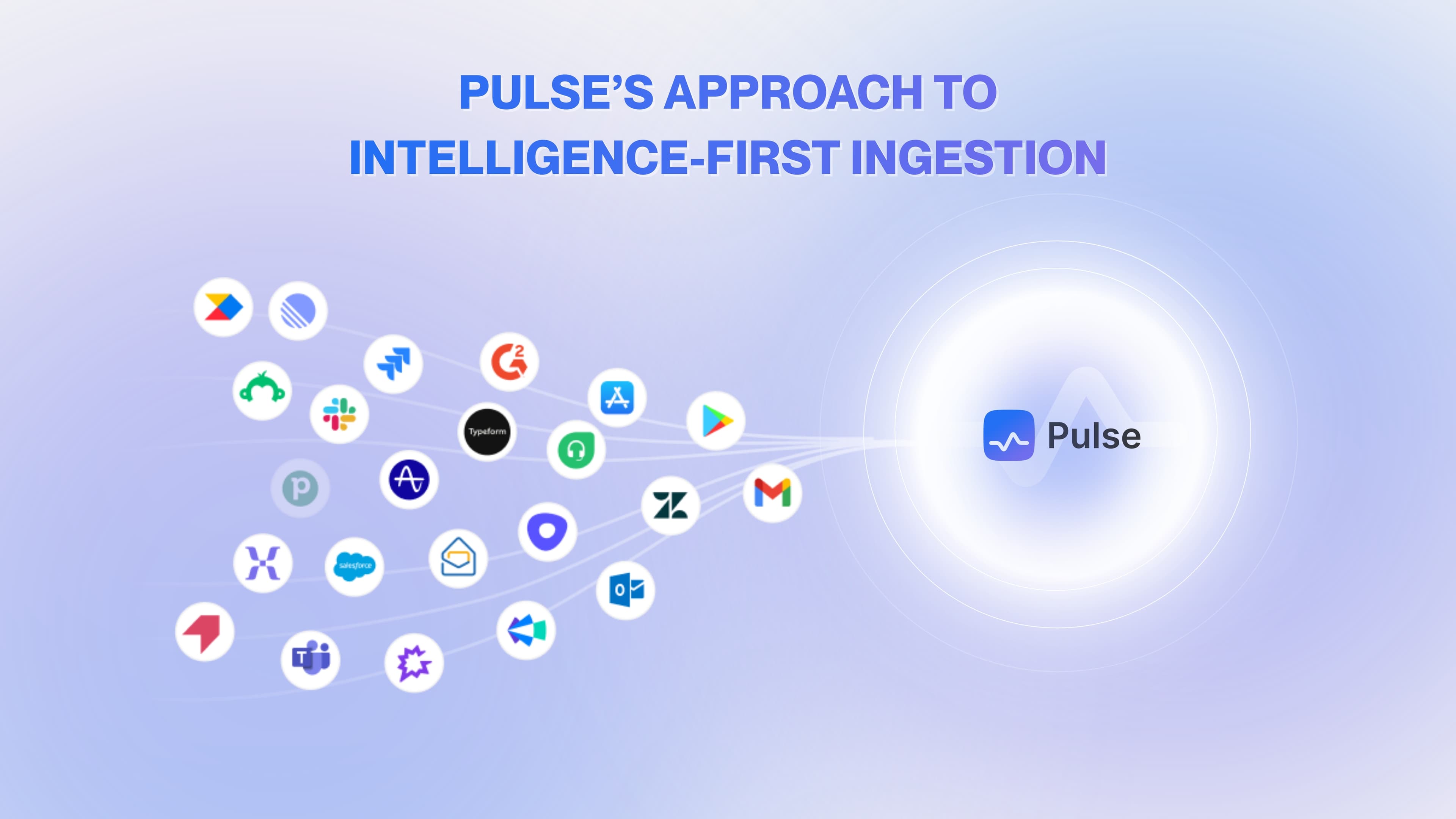
Pulse's Approach to Intelligence-First Ingestion
Pulse doesn't treat ingestion as a background job.
Instead, ingestion is an agentic workflow — continuously running, continuously enriching, and continuously contextualising.
Here's what happens during Pulse ingestion:
1. Connect Everywhere
Pulse agents continuously integrate with tools teams already use — Zendesk, CRM, support logs, Slack, voice systems, surveys, and more.
2. Clean & Deduplicate
No more seeing 27 variants of "login failure." Pulse normalises language, removes duplicate entries, and clusters similar signals.
3. Tag With Business Metadata
Each signal is linked to:
- Account name
- Segment
- ARR impact
- Product area
- Region
- Release version
That's intelligence — not text.
4. Intent & Sentiment Detection
Pulse transforms raw grammar into meaning:
- "Onboarding is painful" → onboarding friction signal
- "App crashes after update" → regression flag
Sentiment agents measure intensity, not just polarity.
5. Context Mapping
Every piece of feedback is mapped to:
- Features
- Releases
- Workflow states
- Timeline of updates
So when a spike occurs, Pulse knows why it happened.
Real Results from Smart Ingestion
Structured ingestion delivers measurable business outcomes.
Customers using Pulse have seen:
- 30–40% faster decision cycles based on feedback
- 85% reduction in manual tagging and analysis
- Hidden churn signals surface earlier — before deals slip
- ROI of ~20× versus manual analysis costs
- Payback on ingestion investment in <6 months
This isn't abstract improvement — it's operational reality.
Structured signals become consistent, traceable inputs for decisions — not messy spreadsheets.
How Good Ingestion Improves Every Downstream Step
If ingestion is weak, everything downstream suffers:
Analyse → Patterns get lost in noise Prioritise → Decisions hinge on opinion, not impact Align → Functions work in silos Act → Teams ship fixes that don't move revenue
But if ingestion is strong:
- Root causes emerge faster
- Backlogs reflect true business risk
- Cross-functional alignment happens naturally
- Execution connects back to original customer signals
Ingestion becomes the intelligence layer — the source of truth teams actually rely on.
Key Takeaways
- Feedback ingestion isn't data collection. It's intelligence formation.
- Most tools centralise feedback; few enrich it.
- Agentic systems change ingestion from "dumping text" to "structuring meaning."
- Pulse's ingestion layer connects language to business outcomes.
- Strong ingestion accelerates every downstream decision.
Call to Action
If you're spending hours aggregating feedback manually… If you're still guessing where customer pain hides… If your backlog debates drown in anecdotes…
…then it's time to rethink ingestion.
Not as plumbing — as intelligence.
Learn how leading teams turn feedback into actionLearn How Leading Teams Turn Feedback Into Action
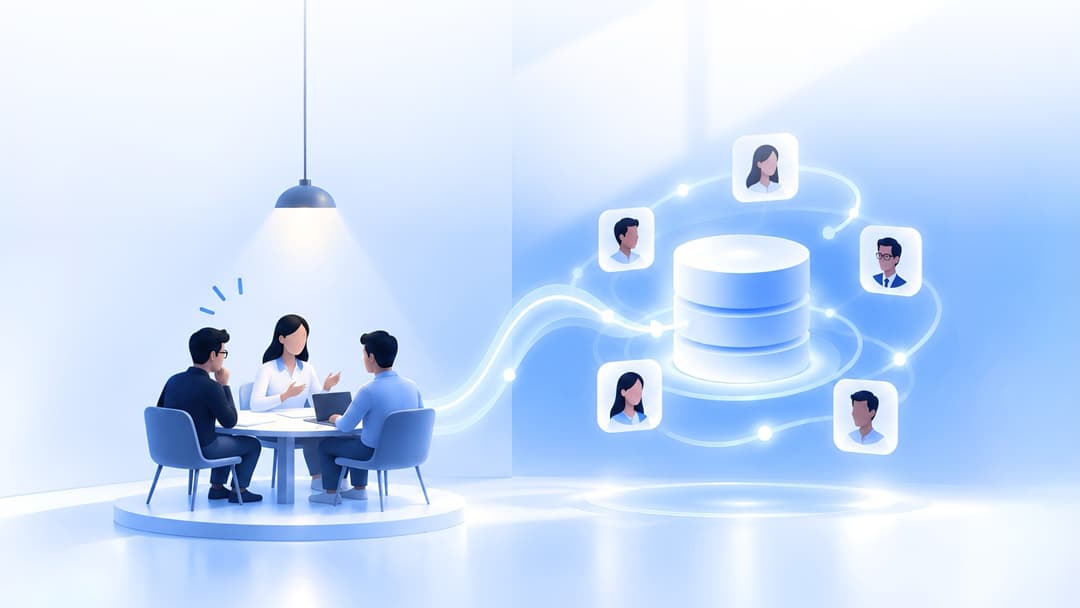
AI Turns Customer Research From an Event Into a SystemAI Turns Customer Research From an Event Into a System
Customer research used to be something a team scheduled — a round of interviews, a quarterly survey, a sprint before a launch. Structurally, that was always a snapshot. AI changes the cadence, not just the speed: research becomes a standing picture rather than a periodic report. But a continuously updated picture can look comprehensive without being representative.Customer research used to be something a team scheduled — a round of interviews, a quarterly survey, a sprint before a launch. Structurally, that was always a snapshot. AI changes the cadence, not just the speed: research becomes a standing picture rather than a periodic report. But a continuously updated picture can look comprehensive without being representative.
16 Sep 202616 Sep 2026
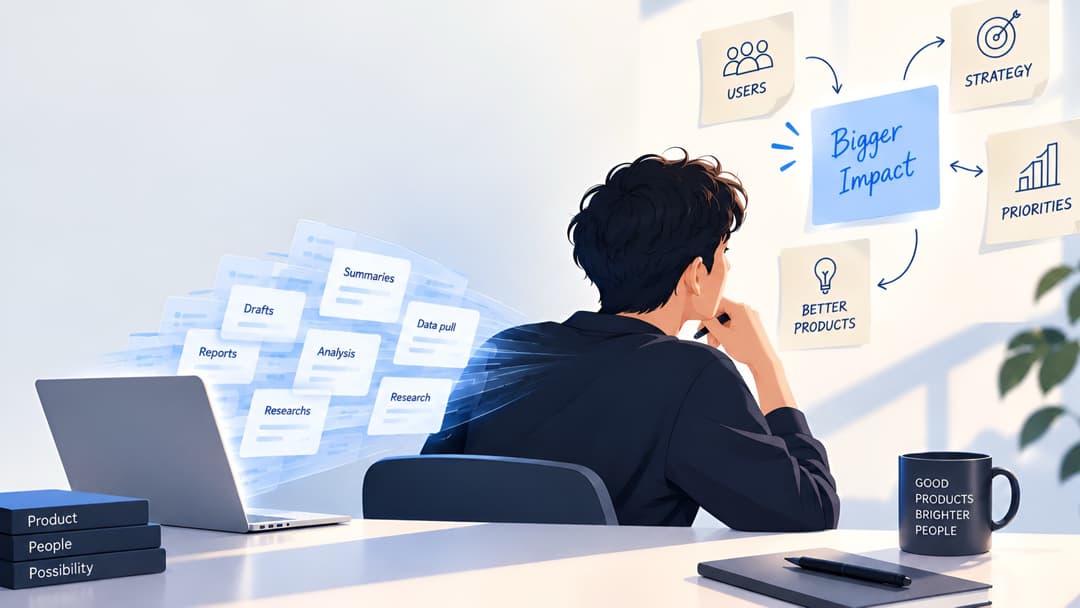
AI Isn’t Replacing Product Managers. It’s Repricing Their Time.AI Isn’t Replacing Product Managers. It’s Repricing Their Time.
A lot of a PM’s week was never spent deciding anything — it was spent preparing to decide. AI collapses that preparation time, but the bottleneck didn’t disappear; it relocated. Producing product work is getting cheap faster than making a good product decision is, and judgement is becoming the entire differentiator.A lot of a PM’s week was never spent deciding anything — it was spent preparing to decide. AI collapses that preparation time, but the bottleneck didn’t disappear; it relocated. Producing product work is getting cheap faster than making a good product decision is, and judgement is becoming the entire differentiator.
1 Sep 20261 Sep 2026
Security & Compliance You Can Trust


Security & Compliance You Can Trust
See how Pulse works with your data
Book a Demo